How to Repurpose Old Clothes into New Outfits

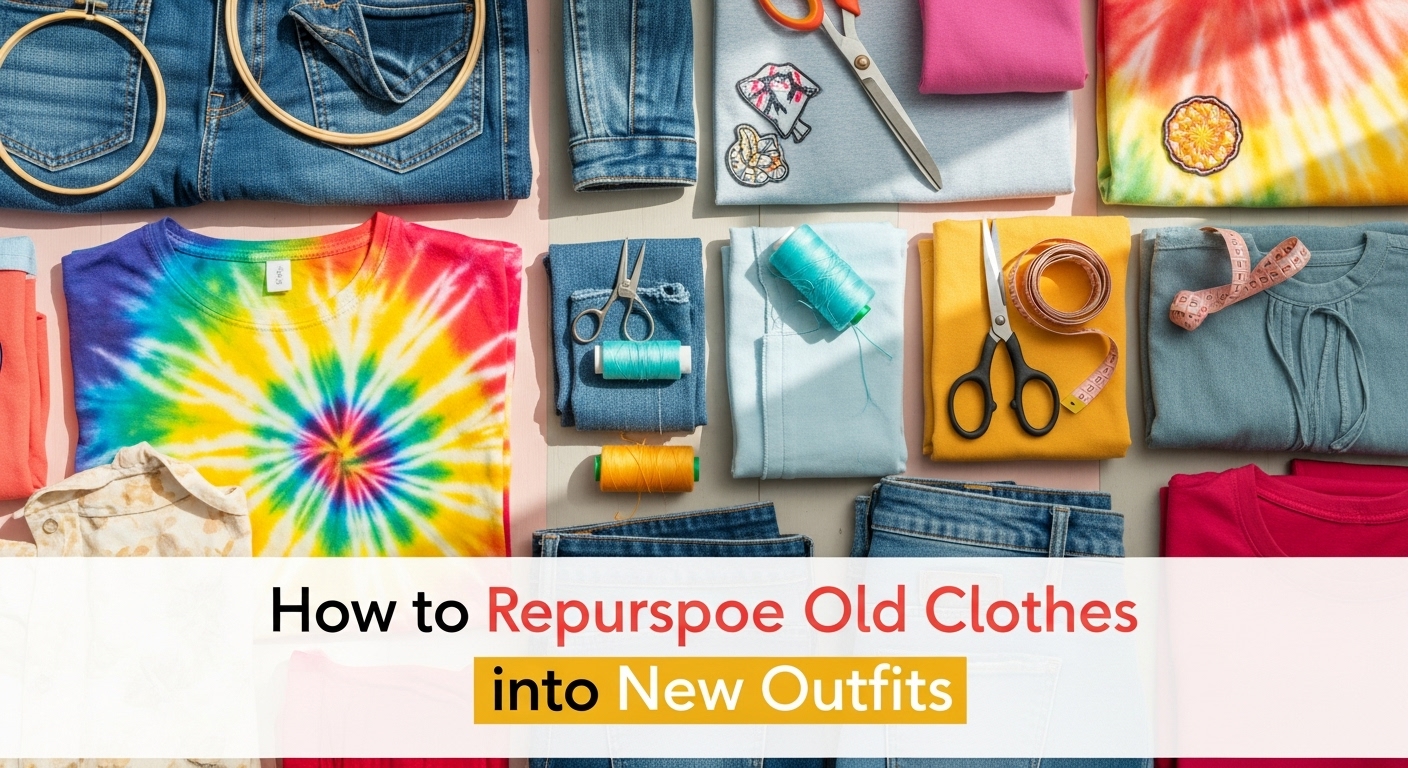
Old clothes carry stories. Threads of memory, color, and time. Yet, tucked deep in wardrobes, they often fade into silence. Repurposing brings them back to life—reshaped, renewed, reborn. It’s not only craft; it’s expression, responsibility, style.
Fashion moves fast. Too fast. New trends flood feeds weekly, and closets struggle to keep up. Repurposing breaks that cycle. It transforms what already exists into something unexpected—an oversized shirt turned wrap skirt, jeans reborn as a tailored vest, scarves stitched into bohemian tops. Every cut, stitch, and dye choice breathes identity into discarded fabric. Style becomes personal again, unbound by retail cycles or price tags.
Sustainability isn’t a trend—it’s survival. Textile waste now fills landfills at alarming speed, yet every upcycled garment slows the damage. One DIY project saves fabric, energy, and water. Small act, big impact. The movement toward a sustainable style grows stronger daily, led by women blending creativity with conscience.
Affordability adds another layer. Reinvention costs less than replacement. A few tools, some vision, and patience create entire wardrobes without spending much. It’s fashion freedom—eco-friendly wardrobe building powered by imagination rather than excess.
Repurposing old clothes isn’t nostalgia. It’s progress—an evolution toward mindful fashion, where individuality meets sustainability, where upcycle clothing becomes both statement and solution.
Read More: 15 Everyday Spring Outfit Ideas for Women Who Love Style
Why Repurposing Old Clothes Matters
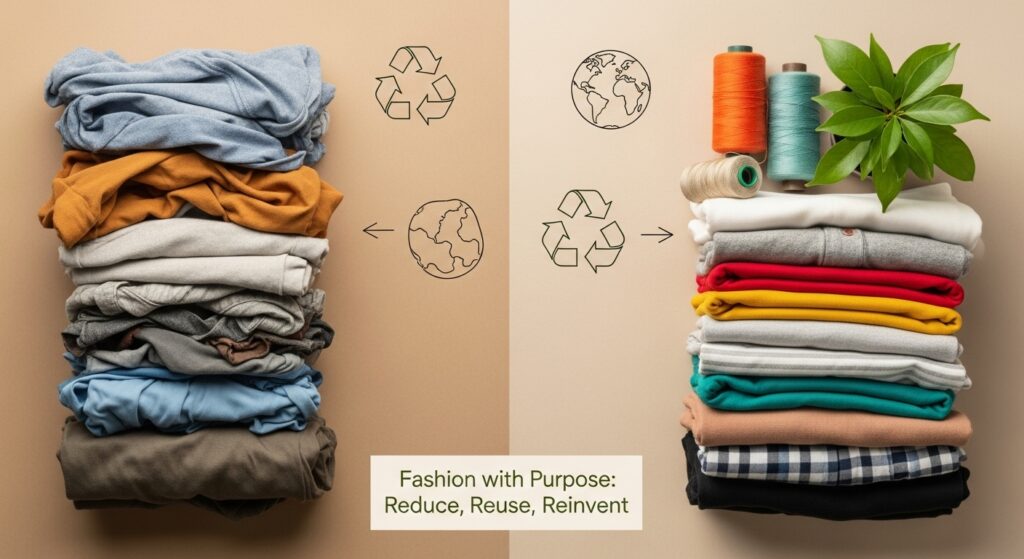
Fashion isn’t just style—it’s system. One driven by speed, consumption, and endless novelty. Fast fashion dominates wardrobes worldwide, feeding demand for constant newness. Yet behind every cheap tee lies a heavy cost—environmental, ethical, and emotional. Repurposing interrupts that loop. It slows down the churn, restores intention, and invites creativity back into clothing. Understanding why this matters is the first step toward dressing with awareness and purpose.
The Environmental Impact of Fast Fashion
Every second, a garbage truck of textiles is dumped or burned. Global production churns out over 100 billion garments each year, while nearly 85% end up in landfills. Polyester—one of fashion’s favorite fibers—takes up to 200 years to decompose. Rivers near factories run blue, red, or black with dye waste. The fashion industry alone contributes 10% of global carbon emissions, more than aviation and shipping combined.
This cycle thrives on low-cost labor and short-lived trends. Each purchase fuels overproduction, pushing natural systems closer to collapse. But consumers hold quiet power. Every decision—to repair, repurpose, or rewear—shifts demand toward sustainable choices. Upcycling an old shirt means one less resource-draining replacement. Conscious wardrobes collectively reduce fast fashion waste and clothing pollution. Sustainable fashion begins not in factories, but in closets.
Personal Benefits of Upcycling
Upcycling transforms more than fabric. It reshapes habits, priorities, even identity. Instead of chasing trends, creators craft them. A thrifted denim jacket becomes a one-of-a-kind piece. A faded dress evolves into a modern co-ord set. The process saves money yet elevates style—proof that trend and thrift can coexist.
Beyond practicality lies emotion. Reimagined pieces carry memory and meaning. An old blouse from college, turned into a new tote, holds nostalgia in every seam. Clothing becomes intimate again—an expression of individuality rather than imitation. In choosing to upcycle, fashion lovers reclaim control over their image, their spending, and their impact. Sustainable choices, personal transformation—both stitched together in every new creation.
Getting Started — Preparing to Repurpose
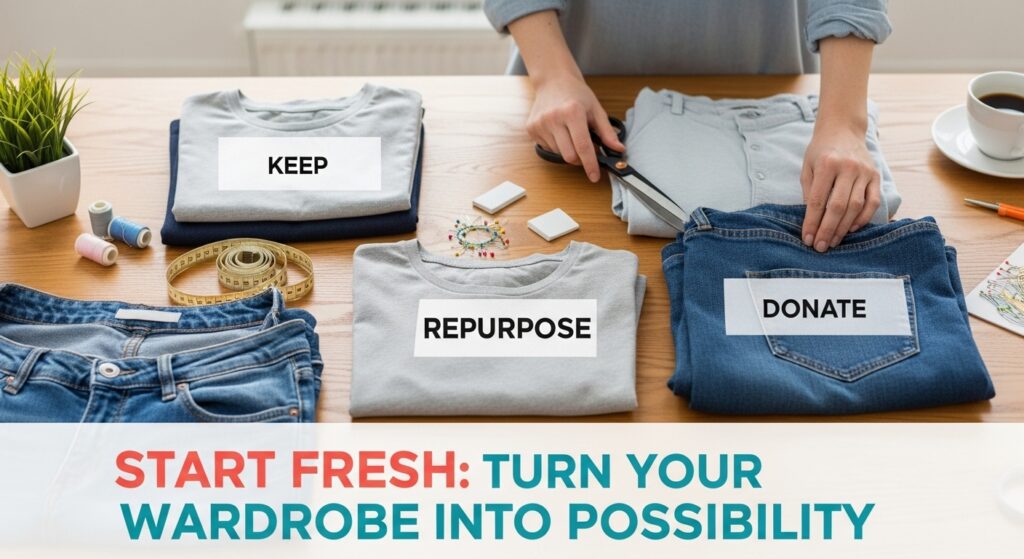
Transformation begins with clarity. Before scissors meet fabric or dye meets thread, comes assessment—an honest look at what already exists. A successful upcycling project starts not with new ideas, but with old pieces waiting for purpose. Preparation turns clutter into possibility, and a wardrobe into a creative studio.
Assessing Your Wardrobe
Open the closet. Pull everything out. Spread pieces across a bed or floor—visual inventory matters. Each garment deserves inspection before transformation. Start by sorting into three simple categories: keep, repurpose, donate. The goal isn’t minimalism; it’s renewal.
Condition: Check seams, stains, and stretch. Some flaws—like loose threads or missing buttons—are easy fixes. Deep discoloration or fabric thinning might limit options but can inspire creative cutting or layering.
Fabric: Natural fibers like cotton, linen, and silk respond beautifully to dyeing and stitching. Synthetic blends hold shape better for structured projects. Each fabric type dictates what kind of reinvention suits best—flowy tops, rigid skirts, or accessories.
Fit: Oversized shirts invite re-shaping, while too-tight garments can become panels or accents. A good rule—if it doesn’t fit comfortably, rethink its form.
Trend Potential: Scan current fashion cycles. Cropped silhouettes, patchwork denim, layered textures—old clothes often mirror what’s trending again. Repurposing lets you stay stylish without buying new.
Wardrobe decluttering becomes fashion recycling—a process that redefines value. By treating old garments as raw material, you move from consumer to creator.
Tools & Materials You’ll Need
A few essentials turn ideas into tangible results. Start simple, build as skill grows.
Core Tools:
- Sharp fabric scissors for precision cutting
- Needles and a reliable sewing kit for quick repairs
- Fabric glue or adhesive tape for no-sew projects
- Measuring tape, chalk, and pins for accurate layout
- Iron and ironing board for crisp seams and clean finishes
Creative Additions:
- Patches, lace trims, beads, or embroidery threads for personalization
- Fabric dyes and paints for color refresh or pattern play
- Old buttons, zippers, and ribbons saved from worn-out pieces
Sustainable Materials:
Opt for organic cotton threads, bamboo fabrics, and natural dyes made from turmeric, beetroot, or indigo. They reduce environmental impact while keeping projects toxin-free.
A well-equipped space fuels consistency. Whether hand-sewing or experimenting with bold designs, having materials ready transforms repurposing from hobby to habit—a daily practice in conscious creativity.
Creative Ways to Repurpose Old Clothes
Repurposing thrives on experimentation. Every garment becomes canvas—one that evolves with scissors, stitches, or subtle reinvention. It’s where sustainability meets self-expression, and where DIY fashion finds its voice. From reworking casual staples to crafting accessories, creativity transforms a forgotten closet into a source of endless style.
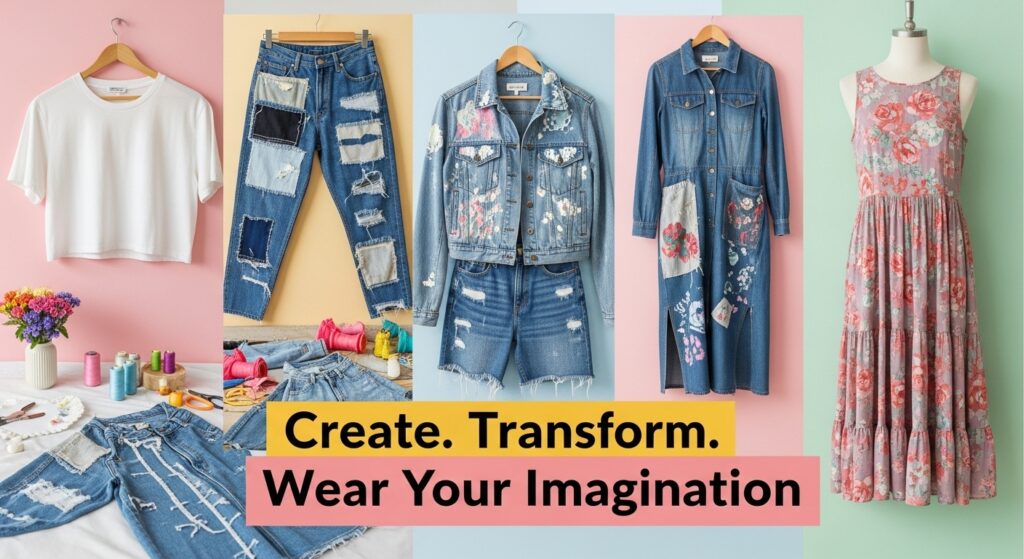
Transforming Tops
Old T-shirts offer endless freedom. Soft, stretchable fabric makes them ideal for quick T-shirt upcycle projects. Cut, tie, or twist—each action reveals a new design. A simple trim turns a worn tee into a DIY crop top. Slice off sleeves, add elastic hems, or fringe the bottom edge for a festival-ready look.
Those with basic sewing skills can transform T-shirts into tank tops or fitted halters. No-sew fashion lovers can use fabric glue or knotting techniques instead of stitching. A bold tie-dye treatment or lace panel adds texture and contrast—perfect for updating basics without buying new.
Old cotton tees also double as tote bags. Cut out sleeves, sew or tie the bottom, and reinforce the handles. It’s quick, practical, and sustainable—another win for eco-friendly wardrobes.
Reinventing Jeans & Pants
Denim never dies—it only evolves. The sturdiness of jeans makes them ideal for every kind of reinvention, from minimalist to avant-garde. Start simple: convert worn jeans into shorts or a skirt. A raw hem and a bit of distressing give an effortless, laid-back look—perfect for summer styling.
Take it further with patchwork denim projects. Combine different washes or leftover fabric to build a geometric design. Add embroidery or painted motifs for artistic flair—true denim makeover material.
For a subtler transformation, alter fit and finish. Crop flared jeans, taper wide legs, or overdye pale denim with indigo or rust hues. Each alteration tells a story, turning once-basic jeans into a recycled denim outfit full of character. Every pair reborn reduces waste while redefining style.
Revamping Dresses & Skirts
Dresses carry enormous creative potential. Shorten a maxi dress into a mini, or slice it into a two-piece set—a crop top and skirt that align with current fashion trends. Layer sheer fabrics, add belts, or insert lace trims for movement and depth.
Old skirts adapt beautifully too. A-line cuts can be narrowed, pleats can be added, or bold prints can be paired with solid tops for contrast. Even outdated pieces regain modern edge through ruffles or restructured hems.
The goal: refine, not discard. Each alteration blends personal aesthetic with sustainability—a statement of both taste and responsibility.
Reworking Outerwear
Outerwear demands confidence. Updating old jackets or oversized shirts offers high-impact results with minimal effort. Start with surface change—paint, embroidery, or iron-on patches transform a plain layer into a DIY blazer or upcycled jacket.
Want more structure? Replace linings with printed fabrics or quilted inserts. Add contrast cuffs or collars. Oversized flannels or men’s shirts can morph into shackets—the hybrid of shirt and jacket dominating casual fashion.
A vintage coat can gain a fresh silhouette by removing bulk, cinching the waist, or cropping the length. The essence remains, but the energy shifts—proof that one can repurpose a coat without losing its heritage.
Accessory & Home Décor Ideas
Not every scrap must become clothing. Small remnants evolve into meaningful extras. Headbands, scarves, and scrunchies made from offcuts carry charm and sustainability—key symbols of zero waste fashion. Even the tiniest piece of cotton can serve a purpose.
Turn patterned fabrics into cushion covers, patchwork throws, or reusable shopping totes. These fabric crafts extend a garment’s life far beyond the wardrobe. Decorative trims or embroidered panels from old clothes elevate home spaces with personal history.
Each creative choice—whether clothing or décor—keeps fabric in circulation. Every stitch challenges disposable culture. These sustainable DIY projects prove fashion’s future lies not in mass production, but in reinvention powered by care, imagination, and resourcefulness.
Easy No-Sew Repurposing Ideas
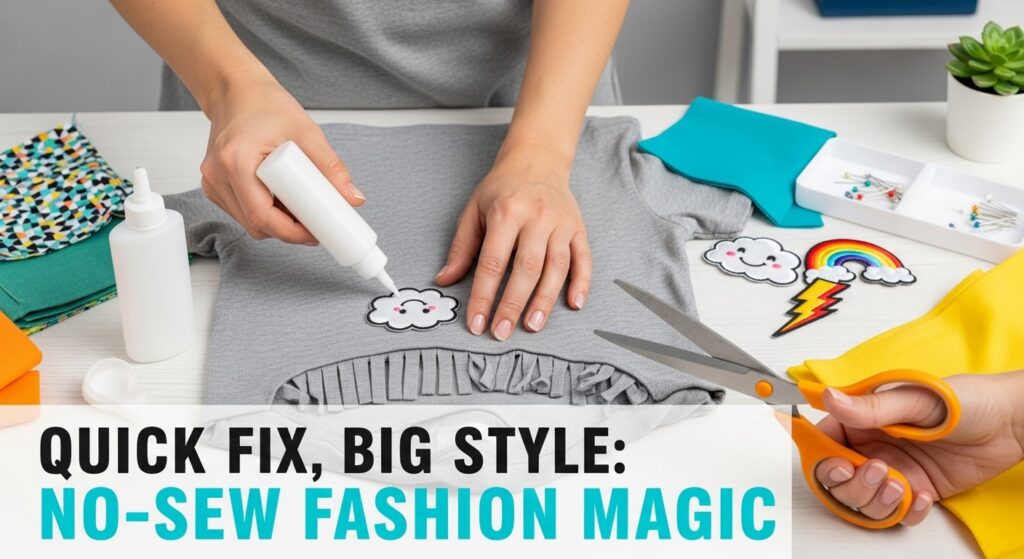
Sewing isn’t a requirement for creativity. Fashion reinvention doesn’t always need thread or a machine—only vision and a few smart shortcuts. No-sew DIY fashion opens the door for everyone, from beginners exploring their first upcycle to experts craving quick transformations. Fabric glue, cutting, and clever styling can completely reshape a garment in minutes. Fast, practical, and surprisingly chic—these quick clothing hacks redefine what “handmade” can mean.
For Beginners
Start simple. Choose soft, forgiving fabrics like cotton or jersey—they’re easier to cut and style without fraying. Gather a few tools: sharp scissors, fabric glue, safety pins, and iron-on patches. Each small accessory becomes a doorway to transformation.
Fabric glue replaces stitches with strong, flexible bonds. Use it to hem edges, attach lace, or add embellishments. Perfect for securing ribbons on sleeves or creating faux pockets on plain shirts. It dries quickly and keeps the fabric comfortable to wear.
Iron-on patches bring color, attitude, and individuality. From minimalist shapes to bold vintage logos, they cover stains and add design at once. Position them on elbows, collars, or chest pockets for an instant upgrade.
Try cutting techniques to reshape structure. A few snips can turn a plain tee into a halter, racerback, or fringe top. Crop from the hemline, tie the ends, or braid side seams for texture. The result? Fashion that feels new but costs nothing—and embodies the essence of sustainable reinvention.
Trendy No-Sew Projects
Modern upcycling thrives on trend adaptation. Without touching a sewing needle, you can recreate runway-inspired looks that blend comfort and edge.
Turn sweaters into vests. Cut sleeves cleanly along the seam, leaving edges raw or glued for a minimalist finish. Pair with high-waisted trousers or layered shirts—suddenly, a forgotten knit becomes a seasonal statement.
Create T-shirt dresses. Use oversized tees or men’s shirts. Cut the neckline deeper, tie a belt or add side knots to define shape. The look mirrors streetwear style—effortless, bold, and entirely personal.
Knot-front tops are another easy upcycle. Cut a long strip from the hemline, twist it forward, and tie a knot at the waist. Instant flair, no stitches.
These easy upcycling ideas make DIY without sewing approachable yet fashion-forward. Perfect for weekend refreshes, they empower every woman to shape her wardrobe with intention. Repurposing becomes a creative habit, a mindful ritual where sustainability meets self-expression—fast, fun, and utterly wearable.
Inspiration and Style Tips
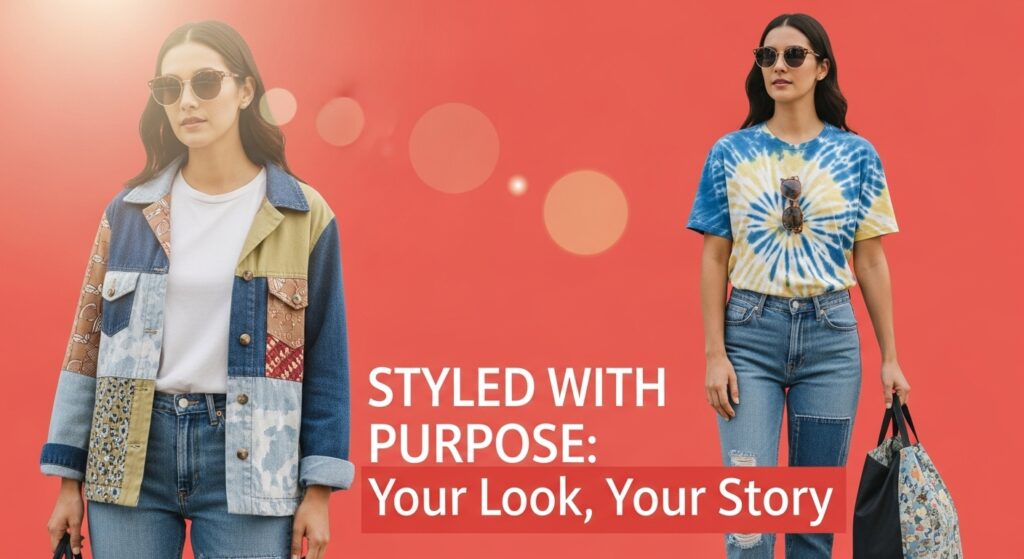
Upcycling thrives on imagination, but inspiration fuels it. Modern style icons are rewriting the rules—mixing sustainability with high fashion, individuality with intention. Across social platforms, a new aesthetic unfolds: creativity that celebrates imperfection, authenticity, and resourceful beauty. Learning from these voices helps transform every repurposed piece into a statement of personal confidence and conscious taste.
Influencers & Fashion Trends
Social media drives the upcycling revolution. On Instagram and TikTok, creators have turned old clothes into viral art. Influencers like @bestdressed, @kristenleo, and @sustainablychic share thrift flips, showing step-by-step transformations that blend storytelling with sustainability. Their feeds prove one truth—repurposing isn’t fringe anymore; it’s fashionable, aspirational, and global.
Thrift flips dominate fashion reels: oversized shirts reborn as corset tops, denim jackets layered with paint and patches, slip dresses transformed into sets. Each project mirrors the wider slow fashion aesthetic, where time and care replace speed and volume.
The capsule wardrobe trend connects perfectly here—building a limited, cohesive collection centered on reimagined staples. It’s about intentional repetition, versatility, and emotional value. Upcycled pieces fit seamlessly into this philosophy, offering originality without excess.
This blend of sustainability and personal storytelling defines the next chapter of fashion. Women across T1 countries aren’t just following trends; they’re shaping them, one repurposed outfit at a time.
How to Style Your Repurposed Outfits
A great upcycle deserves thoughtful styling. Pairing reworked pieces with modern essentials bridges the line between sustainable and chic.
Mix old and new. A DIY crop top works beautifully with tailored trousers. A repurposed denim vest balances a silk skirt. Vintage jackets over minimalist dresses build contrast and depth. This mix creates dimension—fashion that feels curated, not improvised.
Play with seasons. Layer light cotton upcycles with turtlenecks and boots in winter, or pair reworked dresses with sandals and woven bags for summer. Add scarves, belts, or jewelry made from leftover fabric scraps to tie looks together.
Confidence completes the look. Style isn’t about polish—it’s about presence. Each repurposed outfit carries intention, history, and character. Wear it with pride. Own the asymmetry, embrace the raw edge, let individuality speak louder than brand names.
Upcycling isn’t just a creative act—it’s a mindset. When styled with imagination, each outfit becomes more than clothing. It becomes proof that conscious fashion can be expressive, elegant, and endlessly new.
Sustainable Fashion Mindset
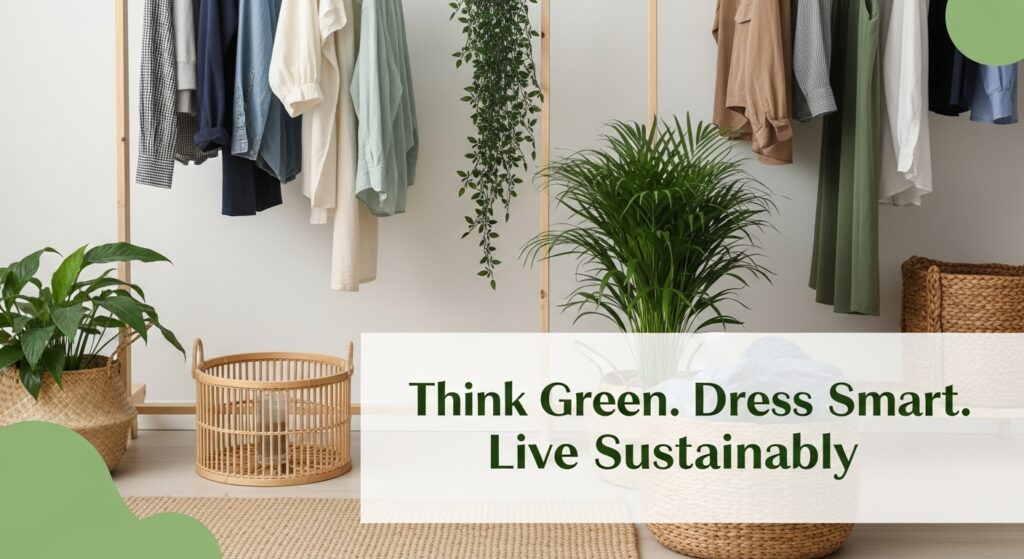
Repurposing old clothes is the first step toward a deeper shift—one that redefines how fashion fits into daily life. A sustainable fashion mindset isn’t a trend or a passing interest; it’s a lifestyle that values longevity, creativity, and responsibility. Each garment becomes more than fabric—it becomes a decision. The goal isn’t perfection but awareness, progress, and care.
How to Maintain an Eco-Friendly Wardrobe
Building an eco-friendly wardrobe begins with perspective. Fashion sustainability isn’t only about buying “green” labels; it’s about changing how clothes are treated, worn, and valued.
Start with the simple cycle: repair, reuse, recycle. Mend seams before replacing. Re-dye faded garments instead of discarding them. Repurpose old pieces into new silhouettes. The fewer items purchased, the greater the impact. Each repair extends a garment’s life and reduces demand for resource-heavy production.
When shopping becomes necessary, choose secondhand first. Thrift stores, consignment boutiques, and online resale platforms like Depop or Vinted offer access to unique finds without fueling fast fashion waste. Prioritize quality over quantity—fabrics that last, stitching that endures, pieces that can evolve with time.
Mindful care also matters. Gentle washing, air drying, and proper storage keep garments fresh longer. Sustainability lives in these quiet habits—small acts that protect clothing, planet, and personal budget alike.
Join the Upcycling Community
Sustainability thrives in connection. Across platforms and cities, a growing upcycling community celebrates the creativity and purpose behind conscious fashion. Joining these circles turns individual effort into collective momentum.
Explore online challenges like “30 Days of Upcycling” or “One Old Garment, Five New Looks.” Participate in virtual workshops that teach no-sew techniques, fabric dyeing, or pattern alteration. Many sessions are free and open, designed for beginners who want to learn and share.
On social media, hashtags like #upcyclefashion, #DIYoutfit, and #sustainablewardrobe connect makers worldwide. Scroll through feeds for inspiration, swap techniques, or showcase personal projects. Each post becomes part of a wider dialogue—proof that creativity can lead to cultural change.
Encourage friends to join. Host small clothing-swap gatherings. Document transformations online. Every shared story normalizes conscious dressing and proves that sustainable choices are stylish, empowering, and achievable.
Upcycling unites passion with purpose. It’s a movement built not on consumption but creation—a global reminder that true fashion isn’t bought; it’s made, remade, and reimagined.
Conclusion
Fashion renewal begins not with a shopping spree but with a pair of scissors, imagination, and intention. Repurposing old clothes transforms wardrobes and mindsets alike—it’s a creative rebellion against waste and conformity. Each upcycled piece carries meaning: resourcefulness, individuality, sustainability.
By reworking what already exists, style becomes deeply personal and ethically grounded. No two creations are identical, and that’s the beauty of it—imperfection as art, reuse as elegance. Whether through sewing, knotting, or gluing, every act of transformation reduces waste and celebrates craftsmanship.
The future of fashion belongs to makers, not mass production. Every reimagined outfit tells a story of conscious choice and creative courage. Start small, experiment boldly, and wear your values—stitched, glued, or tied into every look.
FAQs
How to turn old clothes into new ones?
Old clothes can be transformed through simple DIY techniques like cutting, dyeing, stitching, or combining fabrics. A faded T-shirt can become a crop top, a long dress can turn into a two-piece set, and old jeans can transform into skirts or tote bags. The key is creativity—mixing fabrics, trims, and textures to craft something entirely fresh.
How can old clothes be repurposed?
Repurposing means giving garments a new purpose or design. You can upcycle by altering fit, adding embellishments, or merging different pieces. For non-wearable items, use scraps to make headbands, cushion covers, or cleaning cloths. Every repurpose keeps fabric out of landfills and adds personal flair to your wardrobe.
Can old clothes be recycled into new clothes?
Yes. Many textiles can be mechanically or chemically recycled into new yarns or fabrics. Cotton, polyester, and wool can be broken down and rewoven into new garments. Several brands now use recycled fibers to produce eco-friendly collections. However, not all blended fabrics recycle easily, so repurposing at home remains an effective option.
What is it called when you turn old clothes into new clothes?
The process is called upcycling. Unlike recycling, which breaks materials down, upcycling enhances them—transforming old garments into higher-value pieces through creativity and design. It’s a cornerstone of sustainable fashion and encourages waste reduction through innovation.
What is the 3-3-3 rule for clothes?
The 3-3-3 rule is a minimalist wardrobe strategy that encourages wearing three outfits from a selection of 33 items for three months. It promotes thoughtful dressing, helps identify personal style, and reduces overconsumption. While not mandatory, it aligns closely with sustainable wardrobe principles.
What are 10 examples of reuse?
Turning jeans into shorts or skirts
Making tote bags from old T-shirts
Using fabric scraps for scrunchies or headbands
Creating patchwork blankets
Transforming sweaters into vests
Using old shirts for cleaning rags
Turning scarves into tops or belts
Re-dyeing faded clothes for a fresh look
Adding embroidery to refresh plain garments
Reusing buttons, zippers, and trims for new projects